



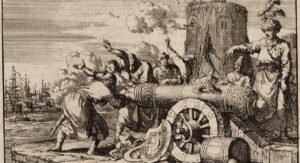
We are in July 1775, the King of Spain, Charles II, decided to lead a large-scale expedition to El Djazair (Algiers) with the blessing of the Church and the support of his cousin Louis XVI of Bourbon, leaders of the riparian countries and especially the advice of its Prime Minister, Grimaldi.
Charles III claimed to succeed where his ancestors, Charles V (attempt of 1541) and Philippe II (1558), failed to end up, as we know, with a resounding disaster. He will choose for this offensive Admiral Alexander O’Reilly, an Irishman in the service of Spain, at the head of 400 ships and 25,000 infantry.
Before going any further, one remark is in order: when it comes to foreigners in the service of Spain, recruited for the needs of the expeditions led against El Djazair, chroniclers and other historians remain silent on the subject. On the other hand, when it comes to foreigners converted to Islam in the service of the Navy of El Djazair, all the qualifiers are given to them: renegades, mercenaries, infidels …
O’Reilly’s armada approached Algiers on July 1, 1775, quickly signaled by the leader of Bordj El Mourakabade Sidi Bennour (observation post overlooking the sea installed at the highest point of Algiers in Sidi Bennour, towards Bouzaréah ). The messenger sent to the dey, Mohamed Ben Othman, said a forest of ships was in sight of El Djazair. The dey Mohamed Ben Othman was a very competent man and esteemed by the people of Algiers, working to redress the financial situation severely affected by the previous wars and the drought that had raged for nearly three years, a situation left by his predecessor, Baba Ali Nekcis, died February 2, 1766.
Some sources claim that the dey Mohamed Ben Othman was very severe but also affable and indulgent, honest and concerned about the well-being of his people for whom he made personal expenses to build roads, fountains, health centers, etc. . He declared war on all the states which did not want to pay the customary indemnities for obtaining the freedom of navigation in the Mediterranean such as Venice, Holland, Sweden and finally Denmark which indeed attempted an expedition to El Djazair, led by Admiral Katz, without success, forcing Denmark to sign a peace treaty in 1772.
The preparations for this expedition were not ignored by Mohamed Ben Othman thanks to the Andalusian informants who remained in Spain. As a result, the mobilization had been decreed from the third week of June, ie one week before O’Reilly left for Algiers.
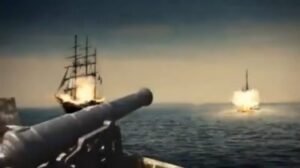
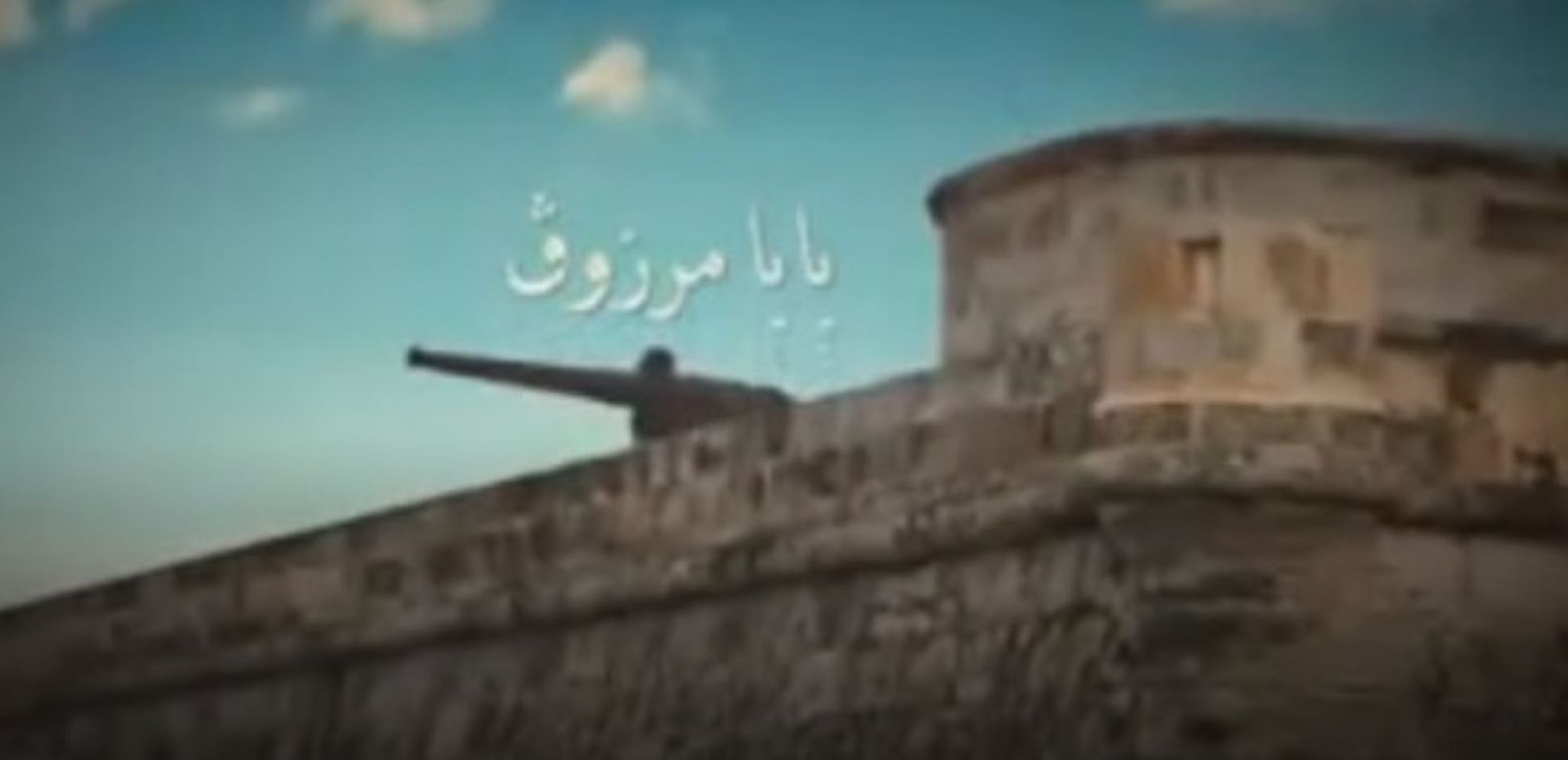
These forces, estimated at 18,000 men, were positioned at Hamma, Oued Kniss and El Harrache under the orders of Hassan El Kheznadji (son of the dey). As for those commanded by Salah Bey of Constantine, Mustapha Khodja and the Bey of Titteri, they were divided between Tamenfoust and El Hamiz. The latter choice turned out to be wise as O’Reilly, well aware of Baba Merzoug’s presence, would disembark a large part of his troops on the side of Hamiz, while attempting an incursion on the side of El Harrache. About ten enemy ships were hit by Baba Merzoug’s cannonballs and sank in the bay, not far from Tamenfoust. Bitter fighting took place on the banks of Wadi El Hamiz, El Harrache and Sablettes.
During this battle, Salah Bey of Constantine distinguished himself both by his bravery and by the cunning he employed against the Spanish infantrymen, a ruse unique to the 18th century, undoubtedly inspired by the methods of Hannibal and his elephants a few centuries before.
Indeed, Salah Bey launched against the Spanish infantrymen a formation on the back of a camel, sowing panic in their ranks, at the sight of these animals practically unknown to many of them. Distraught, the Spaniards retreated on O’Reilly’s orders, leaving hundreds of dead and wounded on the battlefield abandoned on the shores of El Harrache.
This brilliant victory gave once again the proof that Algiers remained impregnable deserving its nickname of El Mahroussa forcing the respect and the admiration of England and even of America. The throne of Charles III wavered and Count Grimaldi ended his days in the Vatican, annoyed and confused.
Belkacem Babaci.
Source : translated from https://babzman.com/lavant-derniere-bataille-de-baba-merzoug/
