



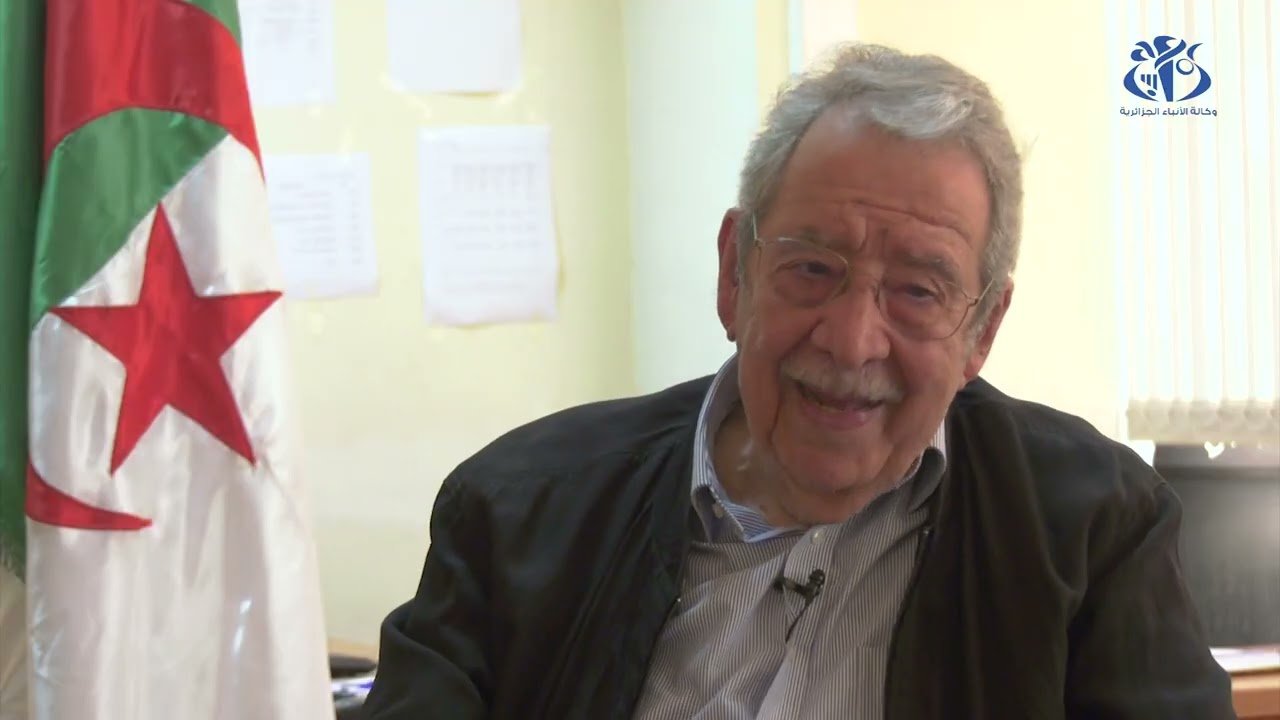
ALGIERS- Algerian diplomacy, faithful to the principles of November 1, 1954, based on support for just causes and the right of peoples to self-determination, has marked a strong comeback on the international scene by contributing to the settlement of crises in the region and the establishment of peace, said the mujahid and former ambassador, Noureddine Djoudi.
In an interview with APS on the occasion of the celebration of the 60th anniversary of the recovery of national sovereignty, Mr. Djoudi stressed that Algerian diplomacy has played an important role in
the emancipation of the country from the colonial yoke, specifying that the first milestone was when the leaders of the Revolution understood the importance of the diplomatic struggle to fight the colonizer who tried for more than a century to erase the Algerian identity .
To counter French propaganda, which presented Algeria as an “integral part of France”, it was necessary to create a movement of sympathy and global solidarity, and to achieve this objective, “war diplomacy” was set in motion by “the opening of offices and representations of the National Liberation Front (FLN) in several capitals, particularly in countries that supported France,” he explained.
Through this approach, it was a question of “revealing to world public opinion the reality of the facts in order to put pressure on the governments of the countries which supported colonial France, through their peoples, and to show that the Liberation Army Nationale (ALN) was made up of revolutionaries and not bandits under the thumb of the Socialist International”, according to the diplomat.
Evoking the mujahideen who brought the Algerian cause to the international scene, Noureddine Djoudi quoted Tayeb Boulahrouf who contributed, he said, to the “rallying of Italian officials, including the founder of Eni, Enrico Mattei, to the cause national”. For the diplomat, the fight led by Boulahrouf continues to bear fruit, as evidenced by the strong relations that Algeria and Italy maintain today.
He also recalled the opening of an office at the United Nations in New York thanks to Hocine Aït Ahmed, M’hamed Yazid and Abdelkader Chanderli. The latter succeeded in convincing Senator John Kennedy who called in his famous “Algerian speech” before the Senate for the recognition of the independence of Algeria”.
“Algerian diplomacy, which has always been a weapon, is based on solid principles, like the right of peoples to freedom and dignity, which explains why our diplomacy is based, to date, on the defense of the right of peoples to self-determination”, considers the former ambassador.
With regard to Algerian diplomacy after independence, Mr. Djoudi said that at the time there was a desire to set up a diplomatic corps based on training and that members of the Army of liberation, including him, had been chosen and appointed to the posts of ambassadors and had as their main orientation that the struggle of the peoples suffering from the colonial yoke and racial discrimination was that of Algeria.
“In the aftermath of independence, a diplomatic corps began to form, by accessing diplomatic training schools abroad, until the creation of our own school at the Ministry of Foreign Affairs and the national community in the ‘stranger,’ he continued.
Mr. Djoudi recalled the help provided by Algerian diplomacy to the South African leader, Nelson Mandela, who wanted to immerse himself in the struggle of the Algerians and who was led to launch “war diplomacy”, being an important tool for make known the cause of his people and the racial discrimination they suffered and explain to the world the system of “Apartheid”, and it is from there that the elimination of this segregationist regime in South Africa began South, he said.
He also mentioned Algeria’s participation in the settlement of numerous crises, such as that of the American hostages in Iran, the settlement of the conflict between this country and Iraq in 1975, or even the
settlement of the crisis of the hijacking of the Kuwaiti plane in 1988, emphasizing that Algerian diplomacy has always aspired to peace and justice between countries in conflict and is fully convinced that any internal conflict of a country cannot be settled only through diplomacy and dialogue, and the search for peaceful solutions against political or armed interference by foreign powers.
To this end, he recalled Algeria’s position with regard to neighboring countries, including Libya, specifying that it called for non-interference in the latter’s internal affairs, while insisting on the imperative to help the Libyans to concretize their union, just like for Mali.
“Africa, first priority”
The former ambassador to South Africa, Angola and the Netherlands regrets the decline of Algerian diplomacy at a certain period, but he said, “we have come back today in force” stressing that the President of the Republic, Mr. Abdelmadjid Tebboune made it clear by affirming that Algeria’s commitment alongside Africa was the first priority.”
He said he was “proud” to see the new diplomacy as active as in the years of the Revolution, adding that “our diplomacy today is capable of facing any offensive against Algeria. There is
today what is called the diplomacy of militancy, similar to that which we knew during the war of liberation”.
There is a link between war diplomacy and new diplomacy, he said, adding that the steps taken by Algeria to resolve conflicts provide information on the pioneering and essential role of its diplomacy.
Mr. Djoudi welcomed the initiative of the President of the Republic for the “unification of Palestinian ranks” during the historic meeting between the head of the Hamas movement’s political bureau, Ismail Haniyeh and the Palestinian President, Mahmoud Abbas after years of doldrums.
“Algerian diplomacy succeeded in laying the first milestone to end the division between the Palestinian factions, he said, adding “it is now up to the Palestinians to form a united front against the Zionist entity”.
The speaker recalled the continuous travels of President Tebboune to many countries, the intense activity of the Algerian diplomacy as well as the visits of the Minister of Foreign Affairs and the national community abroad Ramtane Lamamra, affirming that the Arab countries welcomed and greeted the Arab Summit hosted by Algeria next November.
Mr. Djoudi further underlined that the Algerian diplomacy which has generated an elite of diplomats of the caliber of Chahid Mohamed Seddik Ben Yahia and many others, can train others as competent, in the footsteps of their predecessors and with the same principles of support for just causes and the right of peoples to self-determination.
Translated from APS
