



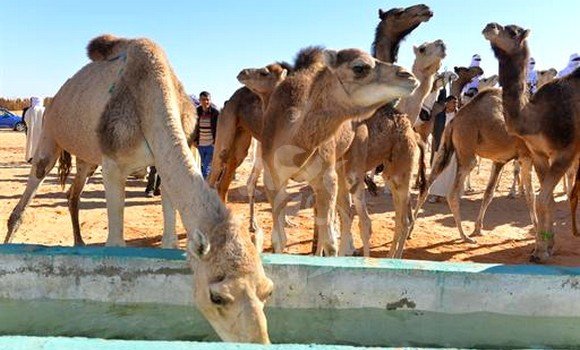
TINDOUF-The inhabitants of the region of Tindouf (extreme south-west of the country) prefer to consume, during the month of Ramadan and on any other occasion, camel meat which covers 80% of their red meat needs, we have learned from the veterinary inspection of the wilaya.
A quantity of three tons of camel meat is produced daily, which represents between 20 and 27 camels slaughtered at the communal slaughterhouse of Tindouf. To this daily quantity is added camel meat immolated by citizens during social occasions, explained the veterinary inspector, Youcef Mekbal.
With an average annual consumption of no less than 8,000 camel heads, the consumption of which is very popular locally, Tindouf is at the head of the wilayas consuming camel meat on a national scale, indicated the same official, adding that this wealth remains a source of food for many families in this region with a pastoral vocation and an important element of the local gastronomy.
The availability of camel meat and its relatively affordable price are the other factors encouraging the inhabitants of the region to prefer it to other red meats, according to the same source.
For his part, the president of the heritage preservation association, Mohamed Belaid, said that “the consumption of camel meat by the local population is ancestral, given its abundance and its low selling price”, explaining, by way of illustration, that the “Banafa” dish, made from camel liver, meat and fat, is unbeatable during the month of fasting and in other festivals, especially in honor of guests.
Soaring camel meat prices in the month of Ramadan
It is noted that the prices of camel meat have soared on the markets of the wilaya of Tindouf going from 600 DA per kilogram last year to more than 1,000 DA with the advent of the month of Ramadan.
The president of the consumer protection association, Chaima Cherrad attributed this outbreak, at least in part, to the propensity of local consumers to favor this type of meat over other types of this product.
In addition, the association notes that the breeders of the region buy the livestock of the wilaya of Adrar because of its competitive prices, but also to preserve the local camel breed “reguibi” (méhari), protected since 1999 by an agreement between cameleers and butchers.
The wilaya of Tindouf has an animal wealth made up of nearly 69,000 camelids, composed of two breeds: reguibi and aftouh and 150,000 sheep heads in transhumance on six (6) million hectares of pasture areas.
Translated by Hope from APS.
