



Literary tour of Algeria which explores French colonialism and the war of independence
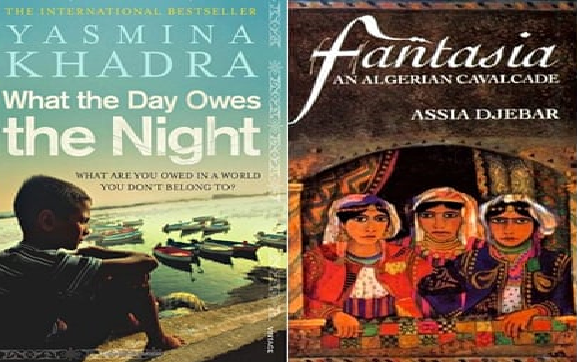
What the Day Owes the Night by Yasmina Khadra, translated by Frank Wynne
Khadra’s novel of a young Arab boy growing up in 20th-century French Algeria is an epic tale of family, love and war.
The narrator, Younes, is the son of a poor Arab farmer who loses his land and, in search of work, drags the family to a slum in the city of Oran. The father, ground down by poverty, eventually agrees for Younes to be brought up by his uncle, an educated and affluent pharmacist.
It’s a life-changing experience for the young boy, who, renamed Jonas, moves with his new family to the town of Rio Salado, where he goes to school among Europeans. Jonas acquires a tight coterie of friends, but racism – both subtle and overt – is never far away.
The group’s friendship is sorely tested when the arrival of the beautiful Emilie brings painful lessons about love. But it faces a much greater challenge as Algeria’s grisly war of independence reaches Rio Salado and racial tensions erupt.
His idyllic life shattered, Jonas is forced to choose between two worlds – Algerian and European.
This rich, captivating novel offers Younes/Jonas as a trenchant witness to both colonial and colonised Algeria.
Yasmina Khadra is the pen name of Mohammed Moulessehoul, a former Algerian army officer who adopted his wife’s name to evade military censors. He lives in France.
Fantasia by Assia Djebar, translated by Dorothy S Blair
In the first novel of her Algerian quartet, Djebar intertwines the autobiographical story of a young girl’s coming of age with the history of French conquest in 1830 and the war of independence in the 1950s.
She uses a colourful mix of fictional and reconstructed history from archives to counter colonial as well as patriarchal attitudes – sometimes reflecting the parallels between the two.
The novel reclaims the role played by Algerian women in society and emphasises their role in the country’s history – their suffering, but also their tenacity and resilience.
In the latter part of the book a tapestry of first-person female voices conveys the experiences of participants – rebel fighters, torture victims, exiles – in the vicious struggle against France. The raw, emotional prose reflects both passion and compassion as the narrator recounts the stories of women struggling for Algeria’s independence and their own. She says she is “writing … above all, to resurrect so many vanished sisters”.
This unconventional novel’s elaborate construction can be frustrating at times, but it presents a memorable account of lives lived under French repression.
Assia Djebar is the pen name of the Algerian novelist, academic and film-maker Fatima-Zohra Imalayen. She lives in France, and was elected to the prestigious Académie Française in 2005.
