



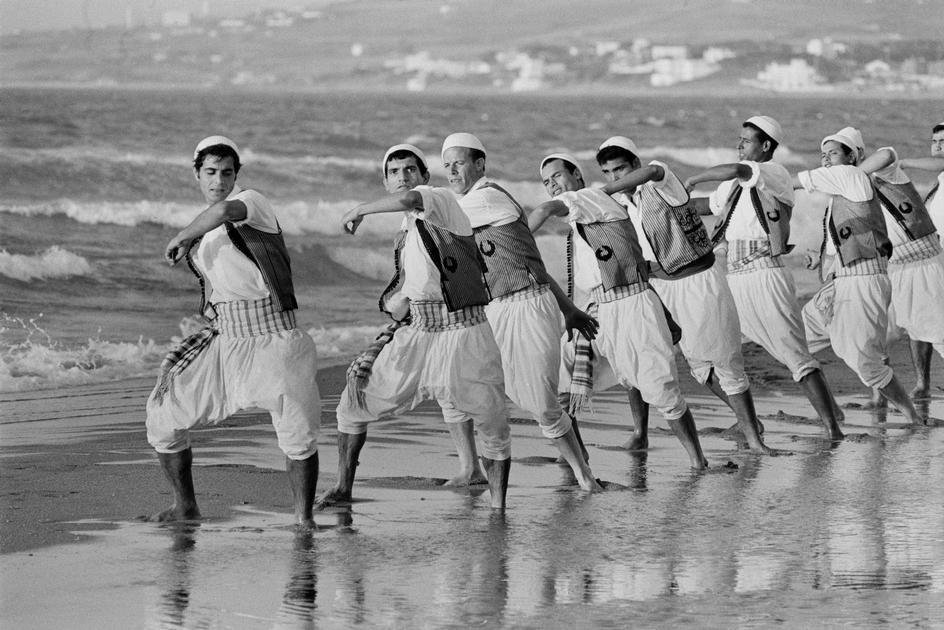
The Algiers Pan-African Festival, also known as Panaf, embodies the country’s Pan-African policy by mobilizing culture to support black and African revolutionary movements.
In July 2009, the second edition of the Pan-African Festival of Algiers, also known as Panaf, was organized in the capital. The festival brings together 49 African countries, Haiti, Brazil and the United States. Among the participants are many artists and writers such as Youssou N’Dour, Magic System, Cesaria Evora, Louis-Philippe Dalembert, Sami Tchak, Djmawi Africa, Isabelle Adjani and Danny Glover. The ambition of this edition is to highlight African artistic and intellectual productions through numerous festivals and events under the sign of the “African Renaissance”, turned towards the future.
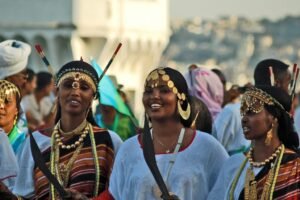
Forty years earlier, in 1969, in a context of political turmoil, Algiers was already vibrating to the rhythm of the first Panaf. Few of the cultural events that have marked the city like this festival did. Considered one of the greatest cultural events that the continent has known, from July 21 – seven years after the country’s independence – for a week, African and American artists and intellectuals take part in a whole series of concerts, conferences and exhibitions. The festival includes celebrations of African culture around different artistic disciplines, in the historical context of the revolutionary turmoil of the 1960s.
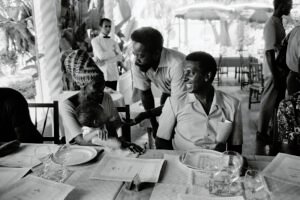
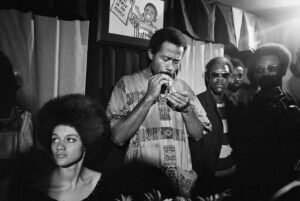
ALGERIA. Algiers. 1st Panafrican Cultural festival. Saint-Georges hotel.
South African jazz singer Miriam MAKEBA and Stokely CARMICHAEL (leader of the Black Power) .
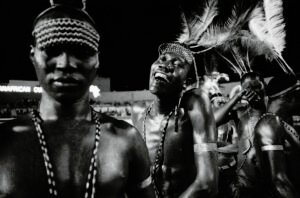
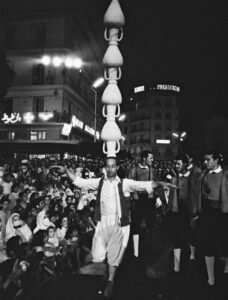
Afrique du Nord. AlgÈrie. Alge. 1er Festival Culturel Panafricain Troupe folklorique du Tchad au stade Al-Anasser. Mardi 22 juillet 1969.
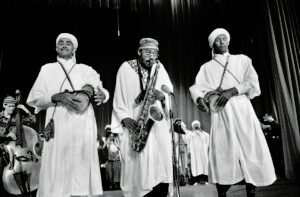
Afrique du Nord. AlgÈrie. Alger. 1er festival Panafricain. ThÈ‚tre de l’Atlas. Concert des musiciens de jazz amÈricains Archie SHEPP (saxophones), Alan SILVA (double bass), et le groupe folklorique algÈrien des Touaregs de Tamanrasset. Jeudi 31 juillet 1969.
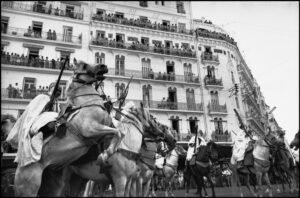
Afrique du Nord. Algérie. Alger. 1er Festival Culturel Panafricain Cavaliers algériens mazabites lors du défilé inaugural du festival, allant de la place Audin au boulevard Che Guevara. Lundi 21 juillet 1969.
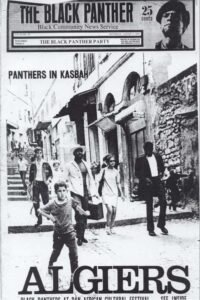
Among the artists participating in the festivities are Miriam Makeba (naturalized Algerian in 1972), Nina Simone, Archie Shepp, Barry White and Manu Dibango. Many revolutionary movements including representatives of the South African ANC as well as the Black Panthers join the event. The latter aims to mobilize culture in order to celebrate African unity and promote the liberation of peoples, in the heart of the city considered as the “Mecca of revolutionaries”. The Panthers had at the time set up an African-American information center in the downtown area of the capital.
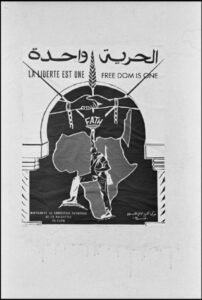
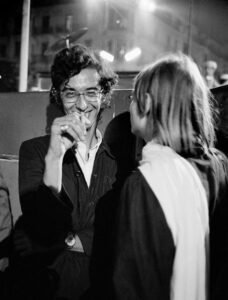
Jointly organized by the country and the Organization of African Unity, Panaf is thus an eminently political cultural event. It fits into the framework of Algerian support for various anti-colonial movements and black revolutionary or civil rights organizations in the midst of the Cold War. This festival celebrating Africa in its struggles and its hopes, was immortalized by the Franco-American director William Klein, who retraces in “Pan-African Festival of Algiers” the activities and scenes of jubilation surrounding the event.
African culture will be revolutionary or it will not be.
The success of the Algiers Pan-African Festival can be explained in large part by the popular effervescence in the aftermath of independence and the spirit of transnational solidarity embodied by Pan-Africanism. As evidenced by its renewal in 2009, the identity, cultural and political issues raised by Panaf remain constantly updated in contemporary Algerian society, whose relationship with the rest of the continent and its diasporas is constantly reinventing itself.
Source : translated from https://www.thecasbahpost.com/quand-alger-dansait-au-rythme-du-panaf/
