



By Radia Youcef
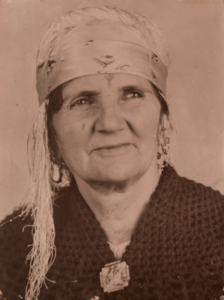
“My grandmother Djenet is 82 years old, bless her, and is a very curious lady who likes to chat. I love her and love chatting with her especially about old times. When I asked her what she remembers about Ramadan foods back in the day, and during her early years, she said: ‘food was simple, less sophisticated than today but still women made sure to produce good food for their families during Ramadan. So much so, that they went the extent of selling their jewelry, if needed, in order to feed their family properly during the Holy Month’.”
How beautiful are grandmother! And how interesting it always is to talk to them about their childhood memories! I bombard my grandma, every time I sit with her, with questions about her childhood memories, how they did things back then, and how different life was… I never loved anything more than listening to teita’s stories about how she met my grand fathers, how they fell in love and how their parents raised them…
Grandparents are really gorgeous, and very interesting. They always have the best stories, and the strangest things to tell! If you take the time and really show interest, you will be amazed how entertaining they are!
Connecting with our elders, and Silat al Rahm صلة الرحم (literally meaning connecting with the lineage/ family members) is one of Ramadan’s most important traditions, one that we must keep alive. This connection is not done by just being in the same room with them waiting for Iftar; eating, then swiftly leaving. This connection only happens by being genuinely interested, asking them how they are with an interest to know and most importantly by being interested in knowing them, not only as our grandparents, but as individuals and their stories.
For the purpose of posting about this tradition, I had asked Radia Youcef, the Algerian food blogger living in the UAE, to chat with her grandma about Ramadan back when she was young. And since we were at it, I thought why not discover the differences and similarities between the traditions of the different generations within the same family? It turned out to be great, because Djenet, Radia’s grandmother, loves to chat and is a generally very interesting lady. I mean for someone who has witnessed 82 years of the most transformative years in history, she is bound to be an interesting lady to say the least.
Here are some of what she recalls about Ramadan in West Algeria during 1910 -1950

“Mijoud Lillah” or “Illi Mawjoud”
مجود لله أو إللي موجود
Literally meaning whatever is available to give as charity.
Djenet’s family ‘Mesteganem’ comes from an area in West Algeria known as Oran. In her early years, Algeria was still a French Colony (before the independence war). She says that back then, different areas of Algeria had different traditions, therefore the customs she had witnessed could have been specific only to her area.
One of Djenet’s most prominent Ramadan memories is the clinking sounds that broke the silence as they roamed through the otherwise quiet streets of Oran right before Iftar. She says: “Right before Iftar, you would hear clicking sounds all over Oran. These were the sounds of dragging enameled pots on the floor by Misjid’s (mosques) students. These clicking sounds were very typical of Ramadan’s Iftar time in Oran back then”. She explains: “Students used to come to Oran from small villages to learn Quran in the mosque’s school. Right before Iftar. These students would roam the streets, dragging pots strung with a cord, knocking on people’s doors to receive ‘mijoud’ مجود , which is their food for the day. The students would go in groups of 5-6 and would divide the streets upon the groups. This tradition was very well known and people expected the students to come knocking so they spared food for them.”

The Sounds of Ramadan
While those were the sounds of Iftar, Oran also enjoyed the sounds of Suhoor, as Djenet explains that another similar memory is the Qarqbou. These are a group of nomads from the desserts that roamed the streets of big cities during the Holy month, playing their musical instrument known as Qarqbou (an instrument similar to the Spanish castagnette).
“Qarqbou nomads would roam the streets of Oran around midnight, playing their music to wake up the families to start preparing for Imsak إمساك (Suhoor/predawn meal). Families used to cook couscous for Imsak, and they used to make it from scratch. Therefore they had to wake up early to have enough time to prepare it for the predawn meal.”
Radia explains that while the ‘clicking pots’ tradition had progressively disappeared, the Qraqbou tradition still lives on. Until this day, Qraqbou nomads, would roam the streets playing their music to wake up families in hopes for some charity in return. She also explains that the traditional couscous dish had for Suhour is known as Seffa or Mesfouf, which is a couscous dish that can be made with or without meat either with raisins or green peas and is usually served with buttermilk. Radia says that this dish is still served today for Sohour, however the younger generations might prefer to have a lighter meal such as a regular breakfast served with bread and milk.

Djenet’s granddaughter Radia explains that such traditions are different today as people’s circumstances are different. She explains: Djenet describes the food back then as being simple and much less complicated than today’s food, however, families still ate varieties of food and made sure to eat well. Eating well, especially during Ramadan, was very important that women went to the extent of selling their jewelry to ensure their family are properly fed and enjoy a variety of foods.
“Women still want to feed their families properly during Ramadan, and since food becomes more expensive as merchants raise the prices during the month, they now can start preparing for Ramadan ahead of time. Today’s appliances help them do that, while back in the day this option was not available. Today, women can buy ingredients ahead of Ramadan, prepare them and freeze them ready to use during the month.”
So I had to ask her about the Algerian Ramadan Pantry
She explained that the pantry will depend on the season. For instance, if Ramadan falls in winter when green peppers are not in season for example, then cooks will buy boxes of peppers when they are in season, grill them to make the traditional ‘grilled pepper and tomato sauce’. They will then freeze them ready to use during Ramadan. She also explains that foods which are to be consumed on daily basis during the month, such as burek, are usually prepared in advance to allow cooks more time and freedom to relaxedly prepare other foods during the day. In the same effect, almonds are blanched ahead and ready to use for making desserts…etc.

“These traditions are not mandatory or a must. They are carried out to allow cooks more time during the day, as well as helps them to save some money as ingredients soar during Ramadan.It is also a personal preference as I personally do not freeze foods and prefer to make them fresh and from scratch. I guess it depends on the cook.” Explains Radia
Most Famous Ramadan Foods in Algeria
Radia explained to me that in Algeria, Ramadan is synonymous with Soup. She also explains that the choice of soup depends on the region. In the East the soup of choice is always Chorba Frik (recipe on this link), which is a soup of green wheat, chickpeas and tomato. As for the West, the choice is always Algerian Hareera soup, which she explains is different from the Moroccan Hareera. “It is imperative that one of these soups is served during Ramadan” says Radia.
Bureks (Algerian spring rolls) are another staple on the Algerian Ramadan table, where choice for filling is varied. Another very important item is Khobz Eddar (recipe on this link), which is bread, often home-baked and made using ingredients such as flour or semolina, sesame seeds, nigella seeds…etc. “I bake my bread during Ramadan. In my household, this is a tradition that lives on.” says Radia and goes on to main course, which she describes as “must include meat or chicken with at least one type of vegetable. We call these stews ‘Jawz’ or ‘Tajine’, depending on the region. ‘Tajine Lahlou’ or ‘lham lahlou’ are sweet tajines made with or without meats always including fresh or dried fruits such as prunes, apricots, raisins, apples, pears…”
When it comes to dessert then Qalbellouze sits at the throne of all desserts. Qalbellouze قلب اللوز literally means ‘the almond heart’. It is a rich and very sweet Algerian desert that is similar to hareeseh or basbousa however with an almond layer in the middle. “This dessert is usually sold by the slice, and renowned bakeries would have huge queues of buyers everyday.” describes Radia before she moves on to Zalabya (recipe on this link) which is an orange coloured dough that is fried and then dipped into honey syrup. “People would drive to Blida (a city 45 minutes away from Algiers) as the city is well known for its amazing Zalabia.” She says.
Some traditions never die
As was the case back in Djenet’s time and as lives on in Radia’s household, Algerians still prefer their traditional cuisine over other cuisines during Ramadan, and insist that Iftar is home-cooked. They ensure the gathering of the whole family, extended family included, for their meals.“In Ramadan we eat traditional food. Absolutely no restaurants involved! We eat at home or at family members’ homes. In Algeria we even invite travelers to have a home-cooked meal!” She says.
Meet Radia Youcef
The warm and sweet mother of 3 lovely children is a medical doctor, who following her passion, turned to become a food blogger. Radia was born and raised in Algeria, before she moved to the US then Canada only to settle in Dubai two and a half years ago. So you can safely say, she had been around and knows her way around food. Radia loves all things food, especially discovering new recipes and sharing her family recipes. She has a special affinity for pastries and thinks, “the more complicated the better” and always says “If it’s time consuming, it means greater joy later”… In her blog “Rado Touille En Rond” Radia shares her Algerian recipes, along with recipes from other cuisines. If you are a French speaker, make sure to follow her for exquisite Algerian and other recipes.

2 comments
This type of article makes your website so appealling and so different from what is usually broadcasted about Algeria. Please keep it up. Your work will go a long way.
We greatly appreciate your kind words and thank you very much for your encouragement!